







Search Results for: payment QR code
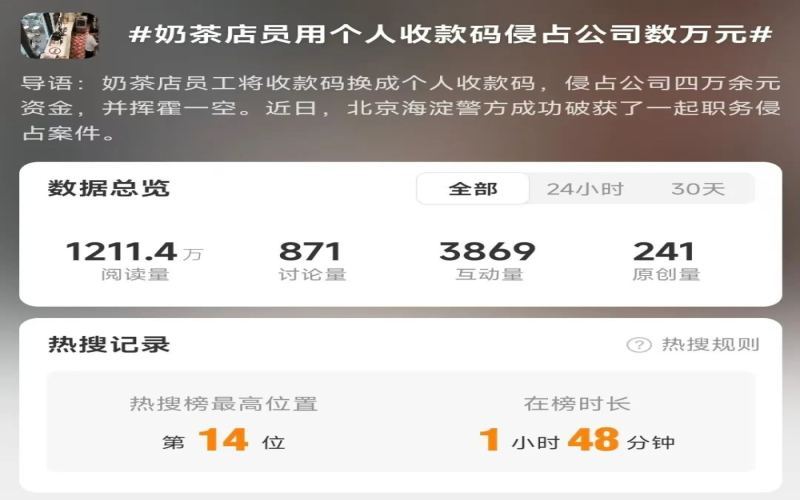
Milk tea shop employee secretly swaps payment QR code, embezzles 40,000 yuan and is criminally detained; corporate internal control loopholes draw attention
Recently, an incident in which a milk tea shop employee replaced the store's payment QR code with a personal one and misappropriated tens of thousands of yuan from the company trended on Weibo, sparking widespread discussion. According to a notice from the Haidian Public Security Bureau in Beijing, the employee had been collecting payments via a personal QR code since May of this year and concealed the act by cutting off the network and disabling surveillance. The estimated amount misappropriated reached over 40,000 yuan, and the person has now been criminally detained in accordance with the law. This case not only exposes loopholes in financial management at retail stores, but also once again reminds operators to strengthen internal oversight. As a platform for coffee enthusiasts, Front Street Coffee has always followed business developments and compliance issues in the beverage industry. This article reconstructs the course of events and analyzes the relevant legal points. [more…]
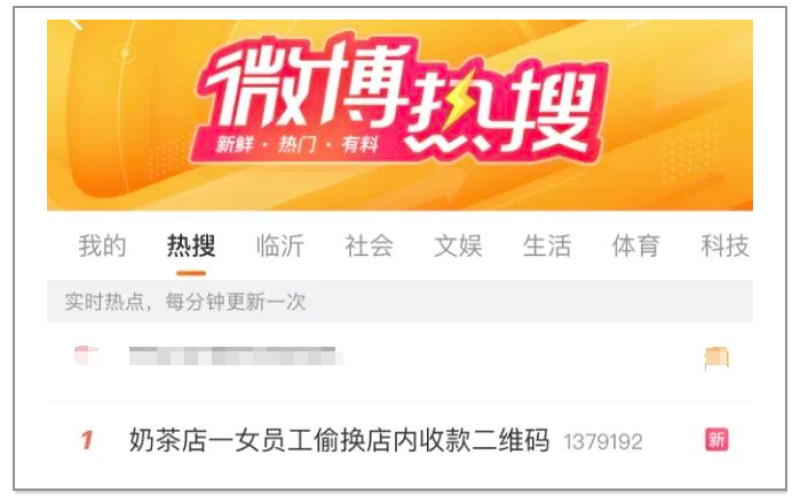
A milk tea shop employee who secretly swapped the payment QR code to pocket the shop's earnings was fired; the owner has released surveillance footage and plans to report the matter to the police.
Recently, a news story about a milk tea shop employee who replaced the store's payment collection channel with a personal payment QR code and pocketed the revenue has attracted widespread attention. The shop owner exposed in-store surveillance footage on social media, showing the employee presenting a personal payment code to customers while working alone and inducing consumers to scan it by claiming the "payment device was malfunctioning." The owner said the account discrepancies had persisted for a long time, but the employee did not stop. The store has now collected all surveillance evidence and is preparing to call the police. This incident not only exposed loopholes in the store's daily management but also once again sparked discussions in the food and beverage industry about payment security and employee integrity. [more…]
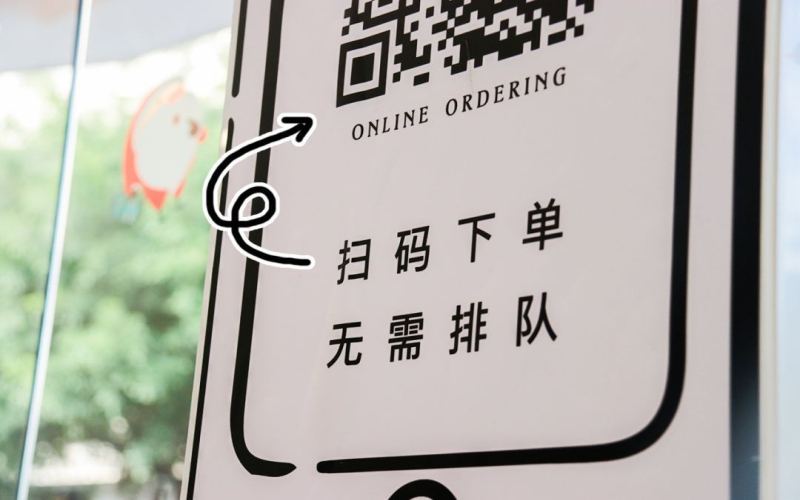
Scan-to-Order Forcing Phone Number Authorization? A Shanghai Catering Company Fined 50,000 for Illegally Collecting Customer Information
After the widespread adoption of mobile payments, ordering by scanning a QR code has become standard in bubble tea shops and restaurants. But have you ever noticed that many ordering mini-programs require you to authorize your mobile phone number or even more personal information before use? In October of this year, the Market Supervision Administration of Putuo District, Shanghai, investigated and dealt with a case involving a catering company illegally collecting consumer information, which sparked widespread attention. The restaurant guided customers to order by scanning a QR code on the table, but forcibly required authorization of their mobile phone numbers, and did not inform them of the purpose of use. Moreover, the backend allowed arbitrary access to and download of member data such as names, genders, mobile phone numbers, and card balances. Ultimately, the company was warned and fined 50,000 yuan. With the official implementation of the Personal Information Protection Law, penalties for such acts will be significantly increased, and consumers' privacy rights deserve more attention. [more…]

Luckin Coffee's in-store proxy ordering prices spark controversy, with mini-program login process questioned for excessive collection of user information
Recently, Luckin Coffee has once again become the focus of heated discussion. An investigative reporter's on-site tests revealed that some stores do not offer direct offline ordering service; customers can only place orders by scanning a QR code via the mini-program or app, and when staff place orders on their behalf, payment must be made at the original price, which differs by several yuan from the discounted price after using coupons online. Meanwhile, the reporter also noticed that Luckin's mini-program requires users to provide their phone number and other information during the login process, and its privacy policy mentions the possible collection of browsing history, app installation lists, and other content, raising doubts about excessive information collection. In response, Luckin customer service explained that the discount calculation in the ordering system is complex, and staff-assisted orders may result in price discrepancies, while many consumers expressed understanding, believing that ordering on-site means giving up online discounts. This article will provide a detailed review of the incident and the views of all parties involved. [more…]
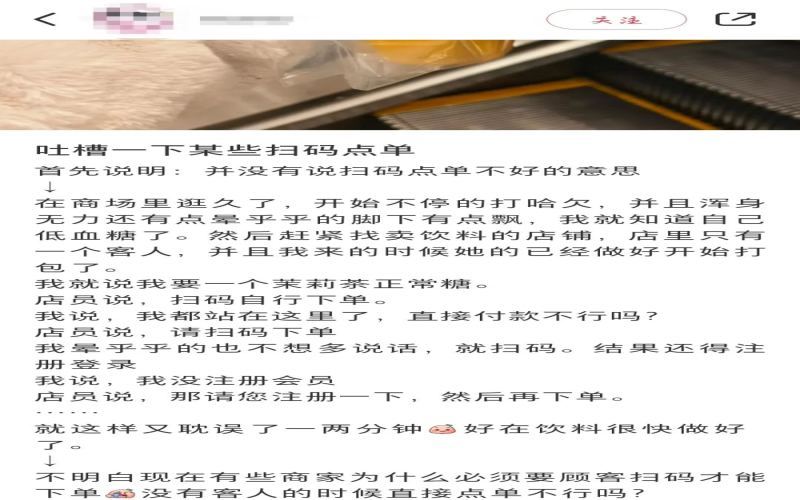
Has QR Code Ordering Become the Standard for Tea Shops? Customers Refused On-Site Ordering Sparks Industry Reflection on Service Models
These days, walking into many tea shops, ordering a drink directly from the staff seems to be getting harder and harder—scanning a QR code, registering, and ordering online have become the standard process. Recently, a netizen shared an experience of being refused when trying to order directly at the counter because they were feeling unwell, sparking widespread discussion. Some people agree that ordering by scanning the code is efficient and saves time, while others question why on-site ordering is still not allowed when there are no other customers. Tea shop employees revealed that factors such as not being equipped with a cash register system, difficulty making change for cash, and insufficient staffing make QR code ordering a helpless choice for most stores. This debate over ordering methods reflects the difficult balance between efficiency and humanized service. [more…]
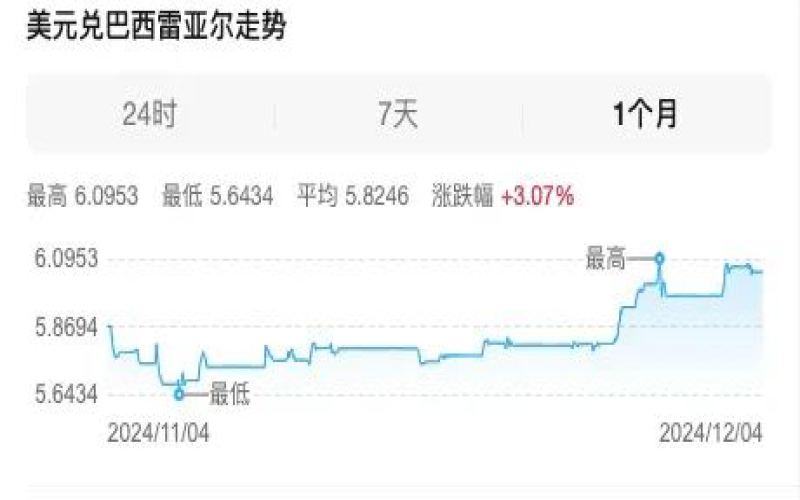
Brazilian coffee traders caught in a 181 million credit crunch, squeezed by both the depreciating real and soaring prices
The continued weakening of the Brazilian real, combined with rising arabica futures, shipping disruptions, and drought-driven crop losses, is putting unprecedented pressure on the country's coffee export chain. Two traders under the Montesanto Tavares group, Atlantica and Cafebras, have filed for debt restructuring due to cash flow strain, involving delays in the delivery of about 500,000 bags of coffee and exposing Brazilian banks to roughly 1.1 billion reais in credit risk. Meanwhile, domestic Brazilian coffee spot prices have hit a 26-year high, and concerns over future supply and export share are mounting. [more…]

EU Deforestation Regulation Implementation Delayed, Kenyan Coffee Exporters Still Face Mounting Challenges
The European Parliament recently voted to postpone the implementation date of the EU Deforestation Regulation (EUDR) to December 2025, giving Kenyan coffee exporters an extra year of buffer time to adapt to the new rules. However, many exporters remain deeply worried, believing that under current conditions it will be very difficult to meet the EU's strict requirements. The EU is one of the most important overseas markets for Kenyan coffee, accounting for more than 20% of its total exports. Yet with Kenya's fragmented smallholder farmers, underprepared cooperatives, high compliance costs, and multiple pressures including stalled reforms, climate-related production declines, the Red Sea crisis, and port congestion, the outlook for this East African coffee-producing country is full of uncertainty. [more…]

Ethiopia's Central Bank Narrows Foreign Exchange Bid-Ask Spread to 2%, Bringing Good News for Coffee Exporters
On October 15, the National Bank of Ethiopia introduced a new regulation capping the spread between the buying and selling rates for foreign exchange transactions at 2%, effective the following day. This marks another significant adjustment following the country's shift to a market-based exchange rate system in July of this year. Previously, the birr depreciated sharply, and the bid-ask spread at one point exceeded 10 birr, placing heavy pressure on exporters. The new policy requires banks to disclose all fees transparently, which is expected to reduce exchange losses for exporters and bodes well for major export commodities such as coffee. Nevertheless, Ethiopia still faces multiple challenges, including the conflict in Amhara region, the Red Sea blockade, and the port dispute with neighboring Somalia. [more…]
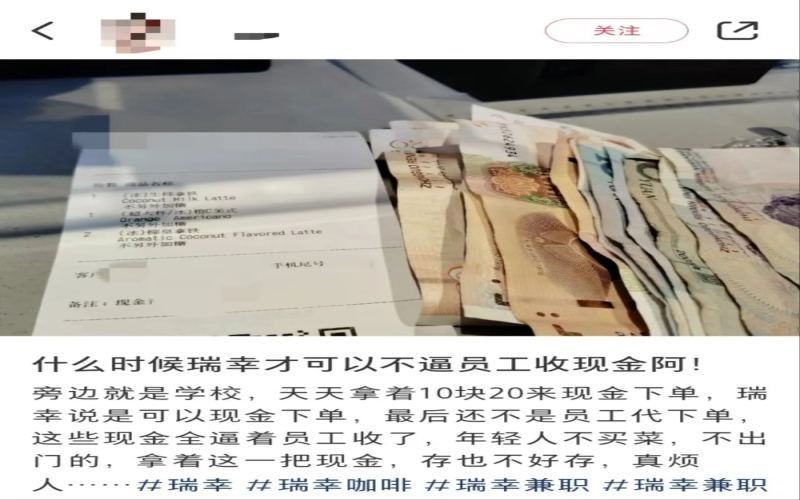
Luckin Coffee Store Cash Payment Predicament: Employees Forced to Collect Payment and Place Orders on Customers' Behalf, Lack of Cashier Equipment Causes Multiple Troubles
Recently, a post about Luckin Coffee employees being forced to accept cash sparked heated discussion on social media. Because Luckin stores are not equipped with cash register systems or equipment, employees can only accept cash from customers first, then use their own phones to scan codes and place orders on their behalf. This practice not only leaves employees with large amounts of loose change that are difficult to handle, but also brings a series of problems such as difficulty making change, the risk of accidentally accepting counterfeit bills, and customers being unable to enjoy online discounts. Especially when stores are overwhelmed with orders and short-staffed, cash orders become an even heavier burden for employees. Although mobile payment has become mainstream, some consumers still rely on cash, and whether brands should improve their cash register facilities has become a focal point of concern for both employees and customers. [more…]
CHAGEE Malaysia's cup-tearing lucky draw accused of rigging, official apology issued and switch to QR codes
Recently, the "tear-the-cup" lucky draw campaign launched by Chagee in Malaysia has become mired in controversy. A video exposed that store employees were suspected of screening prize cards inside cups in advance and keeping the grand prizes aside, triggering strong consumer doubts about the fairness of the campaign. The brand initially demanded that netizens delete their posts through legal means, then responded successively on November 18 and 19 and issued an apology statement, admitting that the employees' conduct did not conform to corporate principles and announcing that starting in December it would switch to QR codes instead of paper lucky draw slips. Although the brand promised to make rectifications, public doubts about its handling approach and transparency have still not been completely dispelled. [more…]
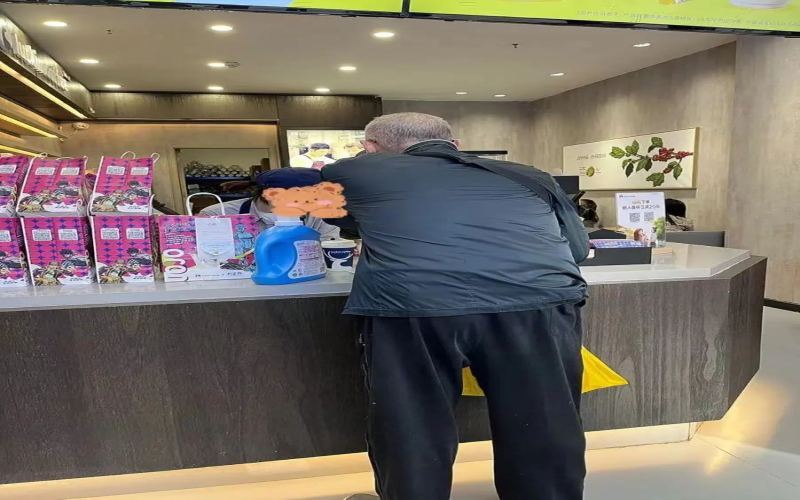
Why does Luckin Coffee insist on mobile-only ordering? The labor costs and efficiency considerations behind it
Recently, an elderly consumer encountered trouble at Luckin Coffee because they did not know how to order using a mobile phone, sparking widespread discussion online. Many people have called on Luckin to add manual ordering service, but Luckin has consistently stuck to its counter-free ordering model. What business logic lies behind this approach? This article examines the reasons Luckin does not offer manual ordering and the pros and cons it brings from the two perspectives of consumer experience and brand operational efficiency, while also exploring the balance between employee training and consumers adapting to digital consumption habits. [more…]
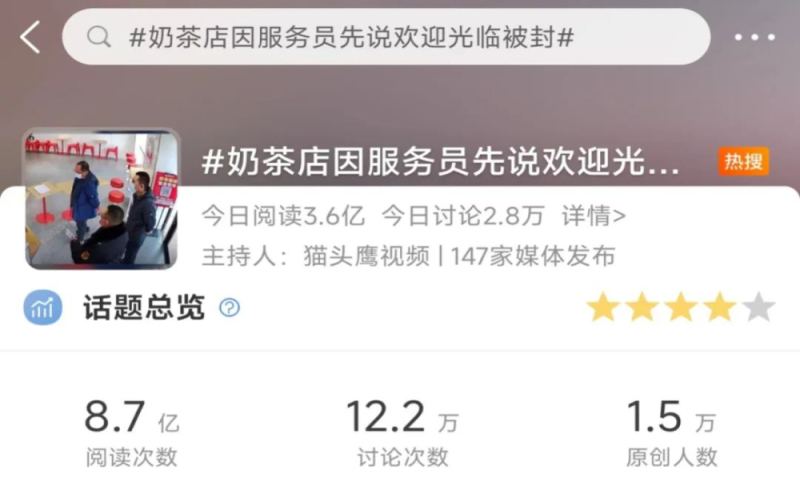
A simple "Welcome" led to the shutdown of a milk tea shop; official notice confirms abuse of power and holds those responsible accountable.
A milk tea shop was sealed and ordered to close on the spot by market supervision officials in under a minute—all because the staff said "Welcome" before asking customers to scan the QR code. The incident sparked widespread attention after it was exposed. An official statement later concluded that the law enforcement officers had abused their power and deliberately made things difficult; those involved have apologized and been disciplined. In this issue of coffee news, while we follow this incident, we also remind coffee professionals to be mindful of the boundaries of law enforcement in epidemic prevention and control, and we continue to bring coffee enthusiasts professional coffee knowledge and Front Street Coffee product recommendations. [more…]
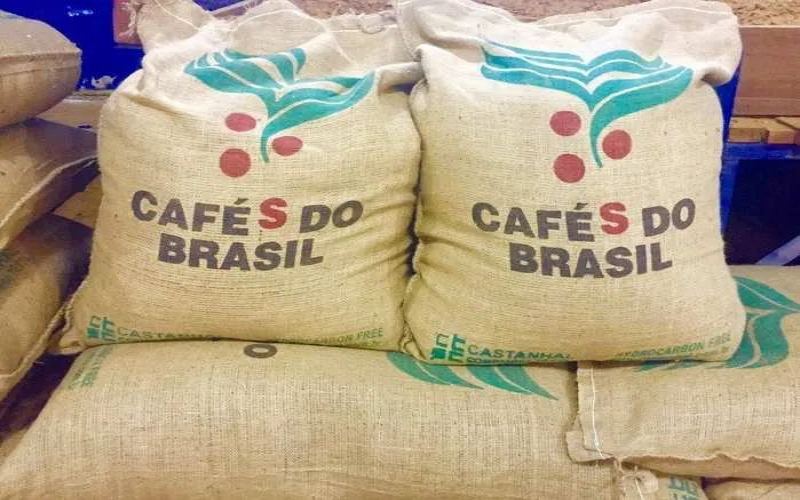
Brazil coffee presale progress only 12%, supply concerns and exchange rate turmoil jointly push prices to a 26-year high
The latest report from Brazilian consultancy Safras shows that as of December 11, 79% of Brazil's 2024/25 coffee crop had been sold, but pre-sales for the 2025/26 crop stood at only 12%, far below the same period in previous years. Hit by drought, forest fires and irregular rainfall, growers are deeply worried about the next season and are holding back on selling. Combined with a plunge of more than 20% in the Brazilian real, domestic Brazilian coffee spot prices have broken the highest record in 26 years. Several institutions warn that international coffee prices will remain high until production becomes clear. To learn more origin news, scan the QR code to follow Coffee Review. [more…]
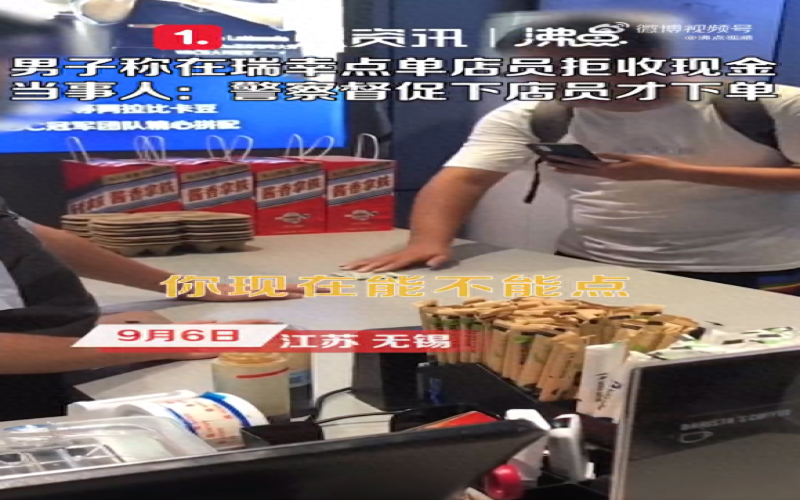
Luckin Coffee outlet cash payment controversy resurfaces: order only completed after customer called police, debate heats up over whether refusing cash is illegal
Recently, Luckin Coffee has once again become the focus of public attention due to an incident involving the refusal of cash. A customer in Wuxi, Jiangsu Province, insisted on using cash to buy coffee at a store, but was told by the staff that orders could only be placed through the app or mini-program, and the transaction was only completed after police mediation. This is not the first time Luckin Coffee has made the news over cash payment issues; there have been similar reports before. Today, with the widespread use of mobile payments, can merchants refuse cash? And how should consumers protect their own rights? This article will recount the incident and explore the legal and consumer experience issues behind it. [more…]
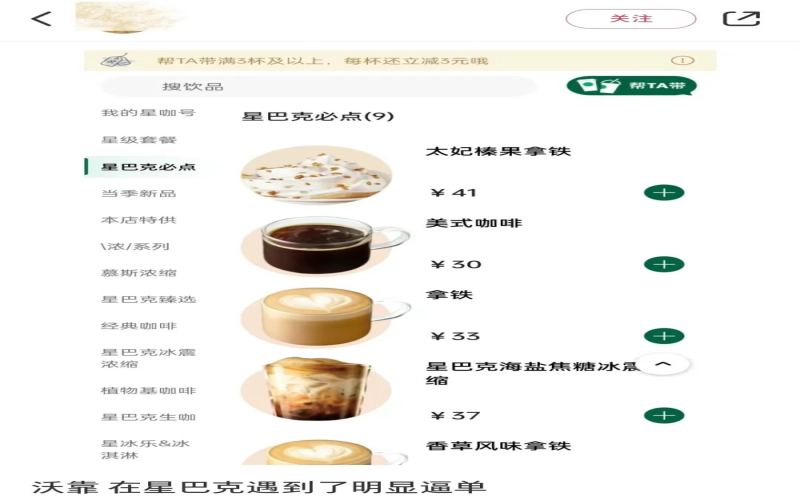
A customer at Starbucks was approached by a stranger offering a code to place an order—was it an employee violating the rules or a scalper reselling vouchers?
Recently, a netizen posted on social media about an encounter at a Starbucks store with a middle-aged woman not wearing an apron who held up a QR code and demanded an order, even pressuring them with the remark, "Air conditioning isn't free, you know." The incident sparked heated discussion: Starbucks has long been known for its "third place" concept, allowing people to sit without making a purchase, so why did forced sales occur? Was the person involved a store partner offering extended services, or a scalper reselling coupons? Netizens engaged in fierce debate over whether Starbucks should unconditionally welcome all guests, how scalpers profit from the price difference, and whether staff collude with them. This article reconstructs the incident and the various viewpoints, exploring the boundaries between space management and consumption rules in coffee shops. [more…]
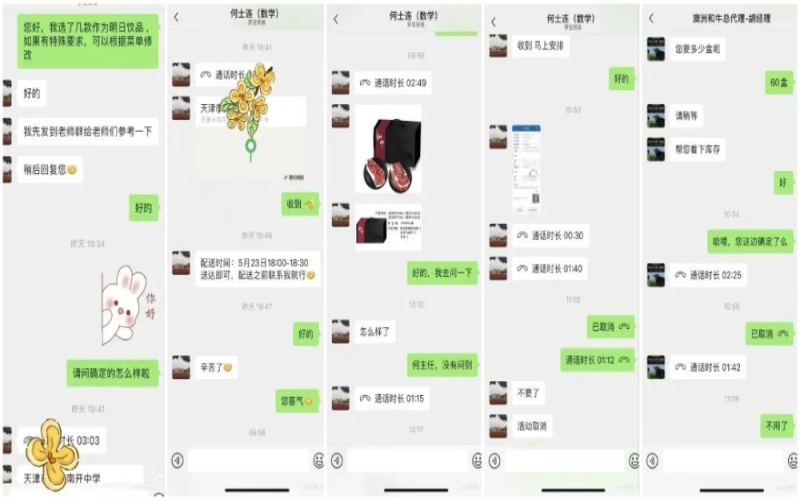
Coffee Shops Plagued by Order Scams: Large Team-Building Catering Orders Hide a Payment-on-Behalf Trap
What would you do if a sudden, large group-building order landed at your coffee shop? A shop owner in Tianjin recently encountered just such a stroke of "good luck," only to see through the scam at the last moment and pull out in time. This kind of order fraud targeting independent coffee shops and small food and beverage businesses is nothing new. Scammers pose as schools or companies placing group-building catering orders, first lulling the owner into lowering their guard, then setting a trap by asking them to buy gifts on the scammer's behalf or advance payment for goods. Some even use transfer money-laundering schemes to leave the owner with neither money nor goods. This article compiles the real experiences of several victims and shares the key precautions summarized by peers in the industry, to help coffee operators stay clear-headed when facing large orders and avoid becoming a sucker who hands money to scammers. [more…]
Starbucks WeChat Status feature goes live, a review of Starbucks' innovative online coffee social layout in recent years
星巴克近日与微信联手推出全新「星巴克微信状态」功能,成为首个入驻微信状态的品牌。消费者通过扫描门店留言本二维码或使用啡快下单,即可生成专属微信状态,实现线上咖啡轻社交。事实上,星巴克近年来持续布局线上社交零售,从啡快、专星送到微信小程序,不断拓展咖啡社交新场景。与此同时,星巴克2021财年第三季度财报显示,中国市场同店销售增长19%,门店总数已达5135家。本文将全面解析星巴克微信状态的玩法及其背后的社交新零售战略。 [more…]
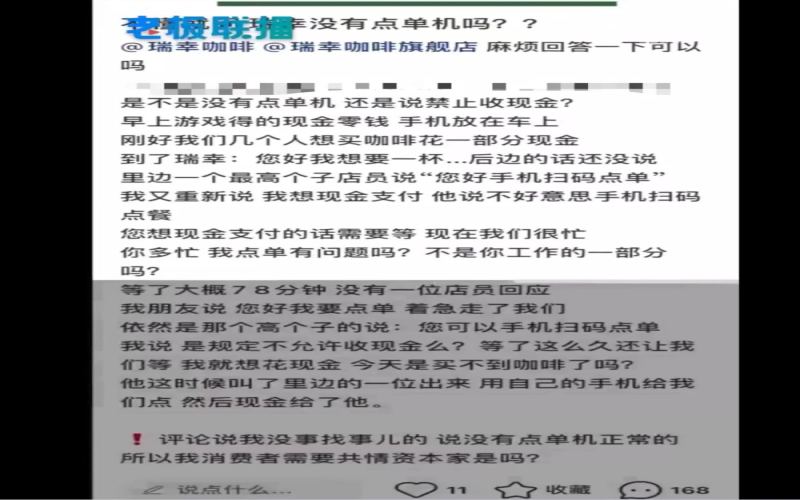
Luckin Coffee Store Cash Payment Blocked Sparks Debate; Official Customer Service Says It Can Be Completed via APP Assistance
Recently, some consumers have reported encountering inconvenience when using cash to pay at Luckin Coffee stores. Staff repeatedly guided them to place orders via mobile phone, and only after a long wait did another employee accept the cash and operate the order on their behalf. Similar situations have been mentioned by netizens before, with one elderly customer left at a loss in front of the counter because they were unfamiliar with mobile ordering. In response to the difficulty of paying with cash, Luckin's official customer service stated that stores can accept cash, and after customers arrive at the store, staff can assist them in placing orders through the app or mini-program, and they can pay in cash after confirming the information. Some analysts believe that Luckin's adoption of a small-store, low-staff operating model, with no dedicated order-taking personnel, is based on efficiency considerations, but there is still room for improvement in terms of service awareness. [more…]
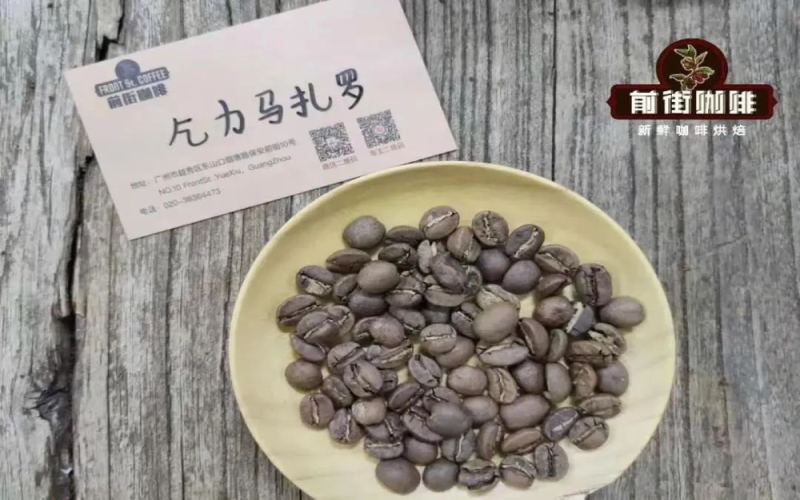
An Analysis of the Meaning of Tanzanian Coffee AA and AB Grades: British Imperial Screen Size Standards and the Detailed Classification Rules for Each Grade
Tanzania, one of Africa's Big Three coffee producers, has performed increasingly impressively in the global specialty coffee market in recent years. When buying Tanzanian coffee beans, what exactly do the "AA" and "AB" labels commonly seen on packaging mean? These letters are in fact grade codes for Tanzanian Arabica coffee beans, using a British imperial grading method similar to Kenya's, though the specific standards differ. Tanzanian authorities grade coffee by screen size, assuming that larger size means better quality, and classify beans into multiple grades such as AAA, AA, A, B, PB, C, E, F, AF, and TT. Among these, Grade AA requires mostly 17 to 18 mesh, while Grade AB is a mix of Grades A and B, and no such official grade actually exists. This article will explain in detail the specific mesh requirements and screening standards of each grade, helping coffee lovers decipher the grading code of Tanzanian coffee beans. [more…]
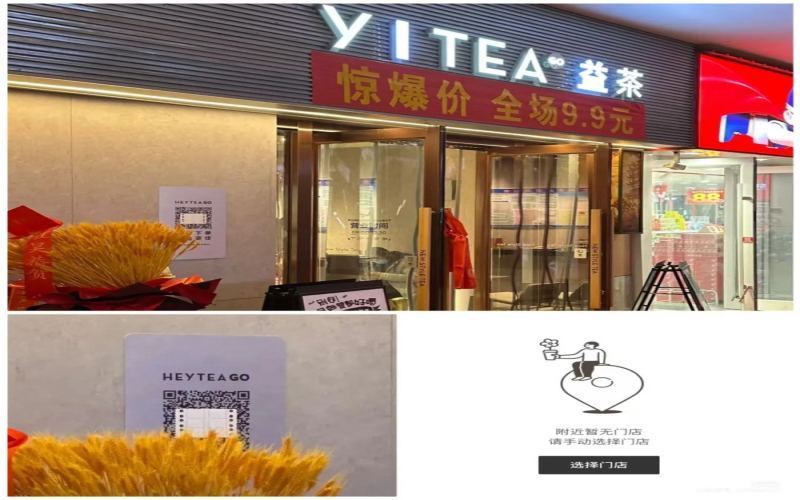
Zhangye Heytea store mysteriously becomes "Yicha": the fridge magnet controversy behind a franchise dispute
After the renovation of Heytea's Ganzhou Market store in Zhangye, Gansu was completed, the sign was quietly changed to "Yicha," and the QR code for Heytea's mini-program was still posted at the entrance, but the store's information could no longer be found through official channels. From the buzz of check-in photos sparked by the opening of the first store, to the second store remaining unopened for a long time after hoarding was put up, and then to both stores disappearing from the official mini-program, this series of changes was actually related to the rules for distributing city-limited fridge magnets. Now the "Yicha" reopened at the original site has no connection to Heytea officially, and its font has even been questioned by netizens as infringing. Local consumers' expectations were dashed, and they still hope the brand can re-enter Zhangye. [more…]